2026 Conference Agenda
Day Two - February 27, 2026
Registration & Continental Breakfast
Join us for breakfast and visit with our exhibitors
Chairperson's Opening Remarks
Peter Hendricks, Ph.D., University Professor and Heersink Endowed Chair, Department of Psychiatry and Behavioral Neurobiology, University of Alabama Birmingham

The Prismal Discovery Platform for Non-hallucinogenic Psychedelics as Treatments for Neuropsychiatric Disorders
Ignis Therapeutics’ Prismal platform is advancing a multipronged strategy to develop safe, non-hallucinogenic 5-HT2A modulators that retain the rapid-acting antidepressant benefits of psychedelics. The program integrates: (1) proprietary small molecules that block hallucinations while maintaining antidepressant efficacy; (2) highly selective 5-HT2A partial agonists with optimal pharmacokinetics, brain penetration, and preclinical safety; and (3) β-arrestin-biased agonists that replicate the fast-onset antidepressant effects of benchmark compounds.
Junliang Hao, Ph.D., Senior Vice President, Chemistry, Ignis Therapeutics

Safety and Efficacy of Psilocybin Therapy for Parkinson's Disease (tentative title)
Ellen Bradley, MD, Assistant Professor, Department of Psychiatry and Behavioral Sciences, UCSF Weill Institute for Neurosciences

Psychedelic Pharmacokinetic Trials: A site-based Perspective on Efficient Study Design
As psychedelic drug development continues to advance, well-designed pharmacokinetic (PK) studies are critical to understanding dosing, safety, and clinical performance. In this presentation, William Smith, MD will share a site-based perspective on the practical considerations involved in conducting psychedelic PK trials. Drawing on experience supporting early-phase and translational studies, the talk will explore approaches to optimizing study design, site operations, and execution efficiency, while addressing common challenges unique to psychedelic compounds. Attendees will gain insights into how thoughtful trial planning at the site level can support high-quality data generation and smoother clinical development pathways.
William Smith, MD., VIce Chairman of the Board of Directors, AMR Clinical
Microdosing: Dreams and Realities
This session offers a clear and balanced overview of the current scientific evidence surrounding psychedelic microdosing. Drawing on findings from clinical trials, observational studies, and real-world reports, the presentation examines where measurable benefits have been validated, where expectations outpace data, and which mechanisms may underpin reported effects. Attendees will gain an updated understanding of what microdosing can and cannot realistically achieve, as well as the key research questions that remain open.
Sandeep Nayak, MD, Assist. Prof., Dept. of Psychiatry & Behavioral Sciences; Medical Director, Johns Hopkins Center for Psychedelic & Consciousness Research , Johns Hopkins University
Morning Break
Join us for morning coffee and tea, visit with our exhibitors and our Scientific Poster presenters.
Panel Session: Advancing Translational Biomarkers for Next-Generation Psychiatric and Psychedelic Therapeutics
The development of reliable translational biomarkers has the potential to reshape the future of psychiatric drug development and the emerging field of psychedelic therapeutics. This panel brings together leading experts at the intersection of neuroscience, biomarker discovery, and clinical innovation to examine how objective measure, from EEG-based signatures to molecular and physiological indicator, are transforming our ability to evaluate mechanism, target engagement, and therapeutic response.
Discussion Points:
- How biomarker-driven approaches can accelerate development of novel psychedelic compounds
- Opportunities and limitations in applying biomarkers across psychiatric indications
- Strategies for integrating translational markers into early-phase and proof-of-concept trials
- Regulatory considerations, standardization challenges, and emerging frameworks for qualification"
Moderator:
Sam Banister, Ph.D., Chief Scientific Officer, Co-founder, Xylo Bio
Panelists:
Mark Rasenick, Ph.D., Distinguished Professor of Physiology & Biophysics and Psychiatry/Chief Scientific Officer, University of Illinois College of Medicine/Pax Neuroscience
Panelists:
Ryan Field, Ph.D., Chief Executive Officer, Kernel
Additional Panelists to be Announced Soon

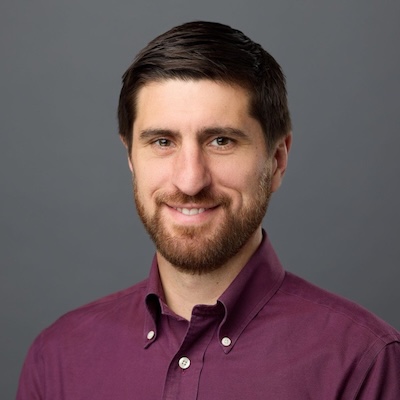
Utility of the Mouse Head Twitch Response in Psychedelic Drug Discovery: Strengths, Limitations, and Methodological Advances in Detection
The head twitch response (HTR) in mice is a reliable preclinical model for studying the effects of psychedelic drugs, as it correlates well with the drugs' potency to induce psychoactive effects in humans by activating serotonin 2A receptors (5-HT2A). This model offers advantages over other animal models, like drug discrimination, for studying 5-HT2A-mediated effects. However, it is important to recognize the limitations and challenges in using and interpreting findings in the HTR paradigm. Advances in experimental strategies for detecting HTR have evolved from traditional visual scoring methods. This presentation will explore the study of potential psychedelic compounds through HTR monitoring in mice, highlighting examples from the scientific literature and our own laboratory, as well as discussing recent improvements in detection methods.
Grant Glatfelter, Ph.D., Research Fellow, Designer Drug Research Unit, National Institute on Drug Abuse, National Institutes of Health
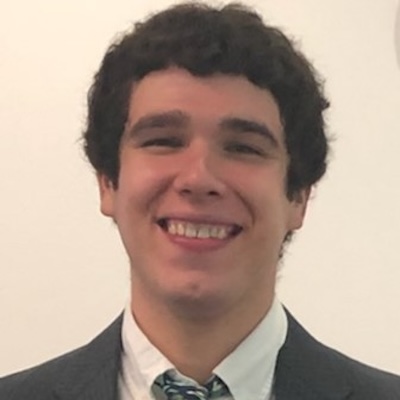
Recent Regulatory Lessons for Psychedelic Drug Development
As the field of psychedelic therapeutics continues to mature, regulatory expectations are rapidly evolving. In this presentation, Marion Coe will discuss recent regulatory developments and emerging lessons relevant to companies advancing psychedelic drug candidates. Drawing on experience at the intersection of science, policy, and regulatory strategy, the talk will highlight key considerations for engaging with regulators, navigating clinical development pathways, and anticipating areas of regulatory focus. Attendees will gain a high-level perspective on how recent regulatory experiences may inform future psychedelic drug development programs.
Marion Coe, Ph.D., Director, Clinical Development and Postmarketing Surveillance, Pinney Associates

Luncheon
From Ketamine to the Next Generation of Glutamatergic Treatments: Evolving Therapies for Depression and Suicidality
This presentation traces the evolution of ketamine research—from the first clinical observations of rapid antidepressant and anti-suicidal effects to the mechanistic discoveries that reshaped our understanding of mood-regulation circuits. Building on early translational studies, we will examine how glutamatergic modulation opened a new therapeutic pathway for patients with treatment-resistant depression and acute suicidality. The talk highlights current clinical practices, biomarkers of response, and safety considerations, and then moves beyond ketamine to emerging glutamate-targeting compounds, novel HNK analogues, and circuit-guided interventions.
Rodrigo Machado-Vieira, MD, Ph.D., Professor of Psychiatry, Director Experimental Therapeutics Program, University of Texas-Houston
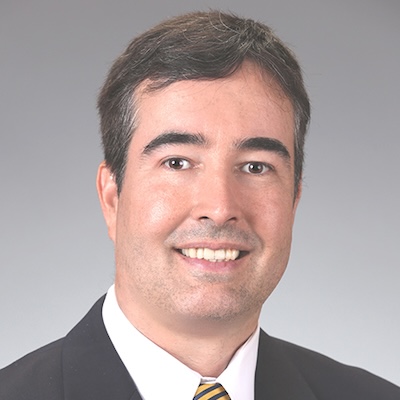
Pre-clinical Studies to Advance MDMA-like Compounds Toward IND-enabling Development
Advancing psychedelic-like compounds from discovery to Investigational New Drug (IND) applications requires pre-clinical models that generate translational, decision-enabling data while minimizing redundancy. Ideally, procedures optimized to assess therapeutic efficacy will be balanced by procedures sensitive to toxicity. This presentation outlines an experimental framework combining behavioral and physiological endpoints in mice, centered on novel social-preference and cardiovascular assays, supplemented by continuous telemetry of core temperature and locomotor activity. The talk also details how public-domain datasets—including published pharmacology and toxicology on benchmark compounds—can be systematically leveraged to focus hypothesis-driven experimentation, justify assay selection, and avoid duplicative GLP toxicology where scientifically supported. Collectively, these approaches streamline progression from early characterization through GLP tox to IND-enabling packages, conserving resources while meeting regulatory expectations for safety, translational validity, and data integrity.
Harpreet Kaur, Ph.D., VP, Research, PharmaAla
William Fantegrossi, Ph.D., Professor, Department of Pharmacology and Toxicology, College of Medicine, University of Arkansas for Medical Sciences

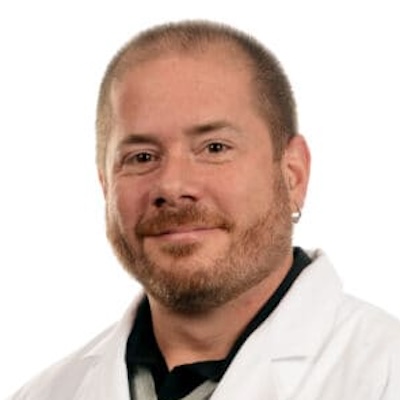
From Molecule to Market. A VC Perspective on the Clinical Rollout and Commercialization of Psychedelic Therapies
As psychedelic therapies advance from early discovery into late-stage clinical development, investors are increasingly focused on the practical realities of regulatory approval, clinical adoption, and commercial scalability. This presentation offers a venture capital perspective on what it takes to successfully translate a psychedelic molecule into a viable, reimbursable therapeutic product. Topics will include clinical trial design considerations, regulatory pathways, manufacturing and supply constraints, provider infrastructure, reimbursement challenges, and the evolving role of strategic partnerships. Attendees will gain insight into how investors evaluate risk, timelines, and value creation across the full lifecycle of psychedelic drug development and commercialization.
Kevin Lanzo, PharmD, Executive in Residence, Lionheart Ventures
Armin Khayatian, Principal, Lionheart Ventures

Psychedelics, Protocols, and Prompts: Navigating Regulatory Rigor and AI-Enabled Review in the Next Wave of Psychedelic Therapeutics
As psychedelic therapeutics move toward late-stage development and approval, regulators are raising expectations around durability of effect, bias control, endpoint integrity, and psychotherapy standardization. At the same time, FDA’s growing use of generative and agentic AI in review and internal workflows is changing how submissions are triaged, interrogated, and documented. This session uses recent case studies (including the Lykos CRL and other pivotal-program learnings) to translate these trends into practical sponsor actions, covering trial design implications, “AI-readiness” for filings (structure, traceability, and metadata hygiene), and risk management for confidentiality, due process, and inspection readiness in an AI-enabled regulatory ecosystem.
Kimberly Chew, Senior Counsel, Husch Blackwell
Odette Hauke, Principal Consultant, Odette Alina LLC