
2026 Conference Agenda
Day One - February 26, 2026
Registration & Continental Breakfast
Join us for breakfast and visit with our exhibitors
Chairperson's Opening Remarks
Peter Hendricks, Ph.D., University Professor and Heersink Endowed Chair, Department of Psychiatry and Behavioral Neurobiology, University of Alabama Birmingham

Beyond 5-HT2A: Unraveling the Multi-Target Pharmacology of Classical Psychedelics
5-HT2A receptor activation by classical psychedelics such as LSD, psilocybin, and mescaline is the main driver of these compounds’ hallucinogenic effects, but their therapeutic and side-effect profiles may involve more complex mechanisms. In this talk, we explore the polypharmacology of 41 psychedelics across three chemical classes, profiling their interactions with over 300 human GPCRs. Our findings reveal that these compounds act broadly on serotonin, dopamine, and adrenergic receptors and engage multiple signaling transducers. These insights challenge the notion of a single receptor mechanism and highlight how diverse molecular targets may shape both psychedelic experiences and therapeutic outcomes.
Ryan Gumpper, Ph.D., Assistant Professor, Eshelman School of Pharmacy, University of North Carolina Chapel Hill
Next Generation Precision Targeted DMT-Harmala Therapeutics
This presentation introduces Neurala Biosciences’ platform for next-generation DMT–harmala therapeutics designed for substance use and psychiatric disorders. It will outline the scientific rationale for our approach, including structurally refined compositions and formulations with unique flexibility to deliver short-acting and long-acting formats, together with broader therapeutic profiles than classical psychedelics. Recent preclinical and phase 1 findings will provide context for our advancing clinical programme, including studies in alcohol use disorder and major depressive disorder.
Daniel Perkins, Ph.D., Head, Psychedelics Research & Therapeutics Unit/Chief Executive Officer, University of Melbourne/Neurala Biosciences
From Hype to Neuroplastogens: Development of a Scalable No-Trip Ibogaine Therapeutic for Addiction and PTSD
The psychedelic therapeutics field is shifting rapidly toward neuroplastogens—compounds that drive rapid, durable neuroplasticity without the safety liabilities or operational burdens of classical psychedelics. EQUULUS Therapeutics is advancing the ultimate-generation, non-hallucinogenic and non-cardiotoxic ibogaine analog designed to deliver ibogaine-like efficacy while removing the barriers that have limited its adoption. By decoupling neuroplasticity from cardiotoxicity and the psychedelic trip, this molecule is engineered for true clinical scalability, supporting outpatient delivery, global access, and payer alignment. These attributes, combined with a clear regulatory path, position the program as an unusually pharma-ready psychedelic-inspired therapeutic. This presentation will outline the scientific basis of our design and why de-risked, scalable psychedelic analogs are now among the most attractive assets for big-pharma CNS pipelines.
Bob Discordia, Ph.D., Co-Founder & Chief Executive Officer, Equulus Therapeutics
Presentation to be Announced Soon
Julia Forte, Executive Director, Project Management, Worldwide Clinical Trials
Morning Break
Join us for morning coffee and tea, visit with our exhibitors and our Scientific Poster presenters.
Unlocking Patient Access to FDA-Approved Psychedelic Medicines (tentative title)
Gretchen Shaub, MPP, Director, Government Affairs, MindMed
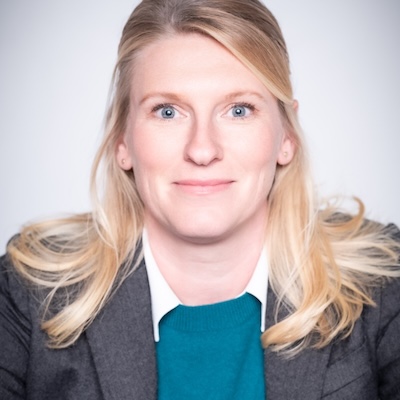
Psychedelic Drug Development for Non-psychiatric Indications
Charles Nichols, Ph.D., Professor, Department of Pharmacology and Experimental Therapeutics/Co-founder & Chief Science Officer, LSU Health Sciences Center/2A Biosciences

The State of the Psychedelic Industry
Psychedelic Alpha Editor Josh Hardman delivers a State of the Union for the psychedelics field: from funding dynamics and the drug development pipeline through to policy reform efforts, pre-approval access pathways and key trends. He ends by providing a look ahead to select challenges and questions that the field must grapple with, before turning to audience questions. If Hardman can’t answer your question, he vows to do his best to connect you with someone who can.
Josh Hardman, Founder & Editor, Psychedelic Alpha
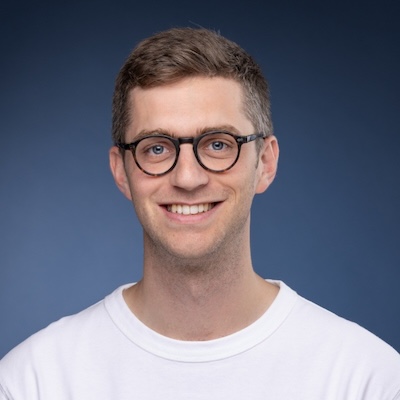
Preparing For a Paradigm-Changing Future in Mental Health
Psychedelic treatments are rapidly moving from research into clinical practice, signaling a potential transformation in how we treat mental health conditions. Compass Pathways' Chief Patient Officer, Dr. Steve Levine, will speak about how the company is preparing for this new future with a focus on how Compass is bridging the patient experience from clinical trial settings to real-world care, enabling patient access and overall commercial preparations.
Steve Levine, MD, Chief Patient Officer, Compass Pathways
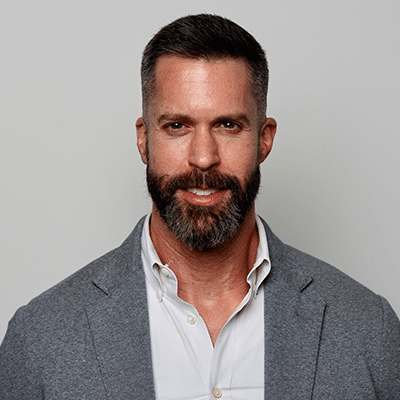
Presentation to be Announced Soon
Presenter to be Announced
Luncheon
Resurrecting Ibogaine for Opioid Use Disorder
Kathryn Cunningham, Ph.D., FASPET, Professor & Vice Chair, Dept. of Pharmacology & Toxicology; Director, Center for Addiction Sciences & Therapeutics, University of Texas Medical Branch
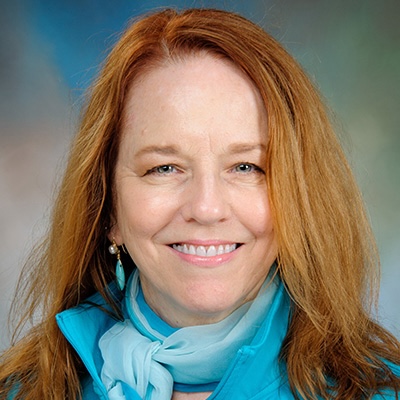
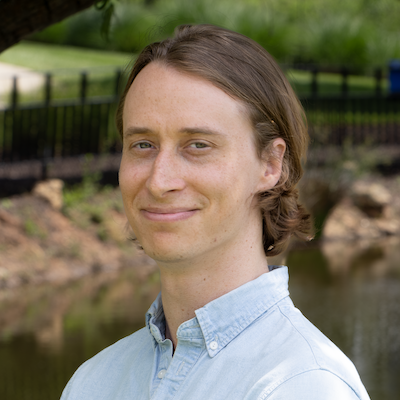
How Much do Session Facilitators Shape the Psychedelic Experience? Evidence From Over 20 Years of Psilocybin Trials at Johns Hopkins
Psychedelics' therapeutic potential may hinge on understanding what shapes their acute subjective effects linked to therapeutic outcomes. Psychedelic session facilitators, individuals who support participants during psychedelic administration sessions, are core parts of psychedelic trials and thus form an important part of the setting of these experiences. Yet, the extent to which they influence participants' acute subjective effects is unknown. To address this gap, we analyzed data from 9 psilocybin administration studies conducted at the Johns Hopkins Center for Psychedelic and Consciousness Research, involving 298 participants, 670 dosing sessions, and 60 facilitators—the largest dataset of its kind.
Sean Goldy, Ph.D., Postdoctoral Fellow, Johns Hopkins University School of Medicine
Panel Session to be Announced Soon
Avoiding the Translational Gap: Expanding the Psychedelic Drug Discovery Tool Kit
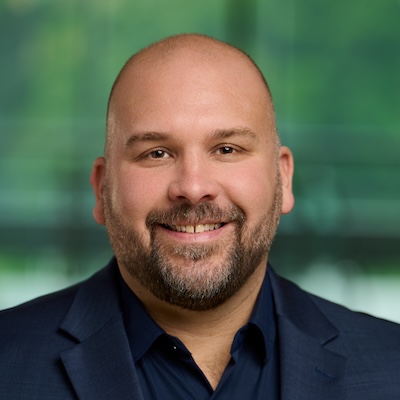
With psychedelic-assisted therapy becoming more mainstream and gaining momentum in clinical trials, there are still key questions surrounding about which next-generation psychedelics are suited for certain clinical outcomes. Our lab is involved in uncovering common pitfalls that lead to poor translational outcomes in predicting psychedelic effects at the early drug discovery phase. To address the translation gap regarding psychedelic drug discovery, this presentation will detail drug discovery platforms and workflows that can be used to refine predictions about psychedelic efficacy and make predictions on favorable or unfavorable off-target activities that influence next-generation psychedelic pharmacological profiles. Importantly, we show species differences at several serotonin receptors that play a role in choosing the proper species for IND-enabling and proof-of-concept validation for in vivo target engagement. Finally, we expand this tool kit toward other compound scaffolds and show examples where more information may be needed to predict pharmacodynamic-pharmacokinetic relationships to ensure proper designation of potential hit-to-lead compounds in the pipeline.
John McCorvy, Ph.D., Associate Prof., Cell Biology, Neurobiology & Anatomy, Medical College of Wisconsin
Afternoon Break
Join us for afternoon coffee and tea, visit with our exhibitors and our Scientific Poster presenters.
Economic Analyses of Psilocybin-assisted Therapy for Depression and Alcohol Use Disorder
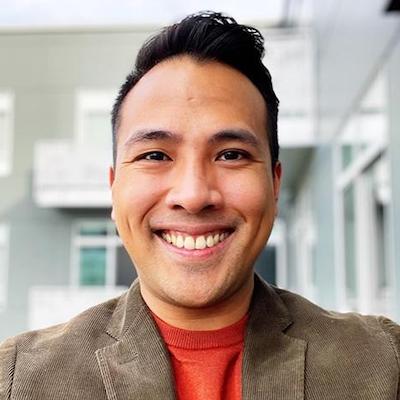
Psilocybin-assisted therapy has been shown in clinical trials to reduce the symptoms of major depressive disorder (MDD) and alcohol use disorder (AUD). If approved, the adoption of this novel therapy will depend in part to their economic value compared to existing treatments. Using economic modeling and evidence from clinical trials, we assessed the cost-effectiveness of psilocybin-assisted therapy for MDD, difficult-to-treat depression (DTD), and AUD. We also identified the specific conditions (e.g., maximum cost and minimum effectiveness of therapy) that are required for psilocybin-assisted therapy to meet the commonly used thresholds of value in the US.
Anton Avanceña, Ph.D., Assistant Professor of Health Outcomes, University of Texas at Austin College of Pharmacy
Panel Session: to be Announced Soon
Beyond Mood Disorders: Reframing Non-Hallucinogenic Psychedelics as Neuroregenerative Therapeutics
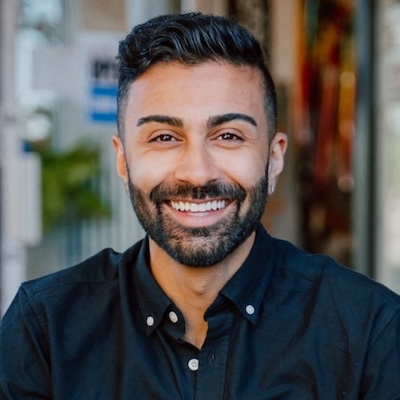
Current enthusiasm for non-hallucinogenic 5-HT2A agonists assumes that removing psychedelic effects will preserve the therapeutic impact seen in psychedelic-assisted psychotherapy for depression and anxiety. However, convergent evidence from clinical, psychological, and neuroimaging research suggestst that the sustained improvements in mood and well-being observed after full psychedelic sessions correlate with acute psychological and neural effects.
Using insights from neuropharmacology, systems neuroscience, and fMRI, this talk argues that serotonergic receptor engagement without high-level network disintegration is unlikely to yield lasting change in psychiatric contexts. Yet, the same molecular and neuroplastic mechanisms - 5-HT2A- and 5-HT1A-mediated neurotrophic signaling, anti-inflammatory cascades, and sigma-1-linked mitochondrial effects - may, instead, be ideally suited for TBI and neurodegenerative indications, where therapeutic goals are regenerative rather than psychotherapeutic. This presentation outlines a new translational rationale: non-hallucinogenic serotonergic modulators as agents of controlled neurorepair.
Manesh Girn, Ph.D., Co-Founder and Chief Scientific Officer, FIVE Discovery
Evening Cocktail Reception
Join us for Drinks
